rapid impact compaction

Complete range from 42 kJ to 300 kJ — excavator-mounted hydraulic rapid impact compaction machines for every ground improvement challenge.

Find the Right Compactor for Your Project

Select by energy class or application. Each model is engineered to deliver maximum compaction efficiency for specific soil conditions and project scales.

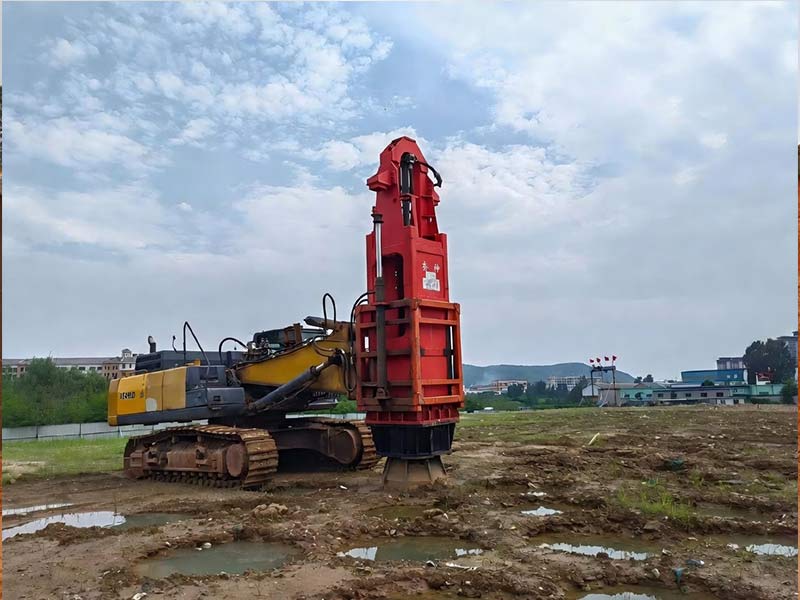
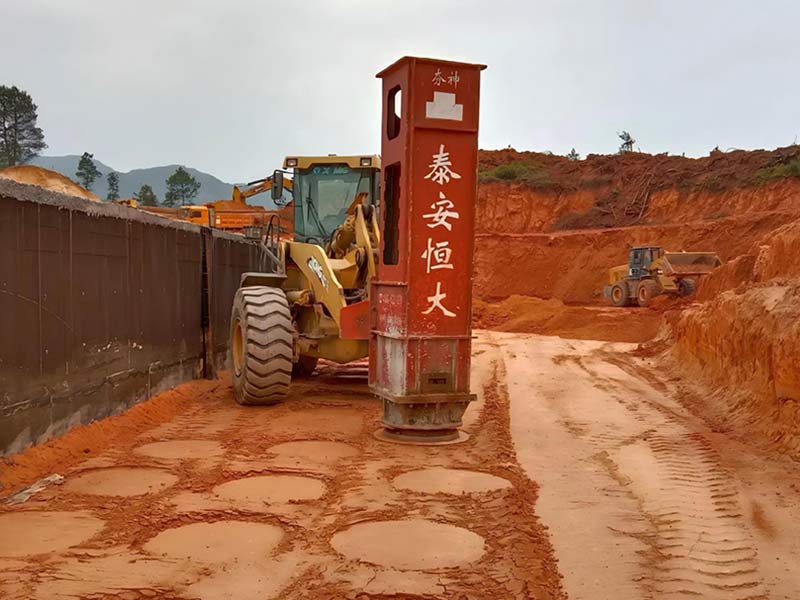
HC42 Rapid Impact Compaction Machine - 42 kJ Light Duty Hydraulic Compactor HC42 Light Duty
HC42 Rapid Impact Compactor 42 kJ
Compaction Depth 1.2 – 2.5 m
Drop Weight 3.5 T
Total Weight 6.3 t
Plate Diameter 1000 mm
Working Pressure 16 MPa
Suitable Excavator/loader 30-40t excavator or 5-6t loader
Soft Soil Backfill Road Base
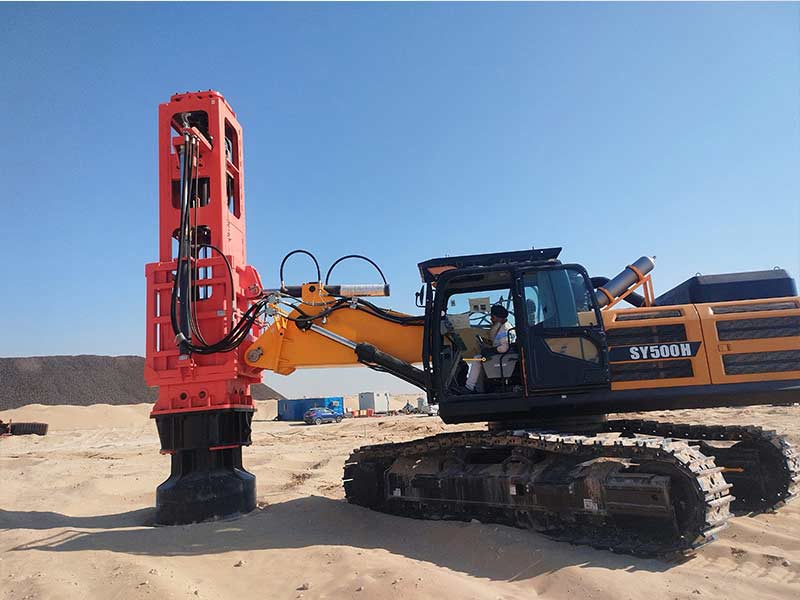
HC150 Rapid Impact Compaction Machine - 150 kJ 12 Ton Medium Duty Hydraulic Compactor HC150 Medium Duty
HC150 Rapid Impact Compactor 150 kJ
Compaction Depth 4 – 8 m
Drop Weight 10 T
Total Weight 21.5 t
Plate Diameter 1,500 mm
Working Pressure 31.5 MPa
Suitable Excavator 45-55t excavator converted boom
Highway Industrial Mining
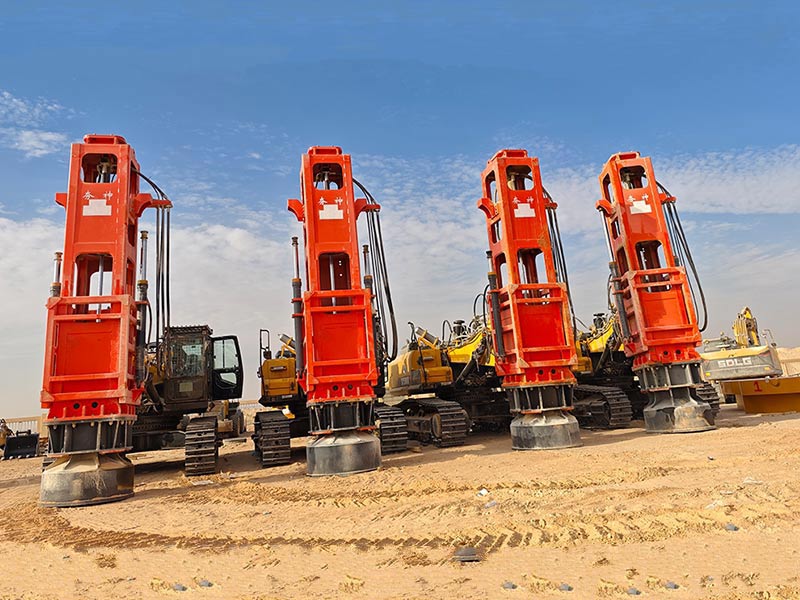
HC240 Rapid Impact Compaction Machine - 240 kJ Heavy Duty Hydraulic Compactor HC240 Heavy Duty
HC240 Rapid Impact Compactor 240 kJ
Compaction Depth 5 – 9 m
Drop Weight 12 T
Total Weight 28.9 t
Plate Diameter 2,000 mm
Working Pressure 31.5 MPa
Suitable Excavator 70t above excavator converted boom
Port Airport Highway

HC Series Full Specifications

Compare all 9 models across every key technical parameter to make an informed selection for your project.

Model Impact Energy
(kJ)
Drop Weight
(kg)
Depth
(m)
Total Weight
(t)
Height
(m)
Plate Dia.
(mm)
Pressure
(MPa)
Flow
(L/min)
Frequency
(bpm)
Excavator
HC42 4235001.2–2.56.3 3.7310001616030–8030-40T
HC60 6050002.5-6.510.8 4.6612502535030–8035-40T
HC84 847,0002.5-6.513.5 5.112502535030–8040-45t
HC108 1089,0002.5–6.520.1 6.451,5002535030–8040–45 t
HC150 15010,0004-821.5 6.531,50031.550030–8045–55 t
HC180 18012,0004-823.8 6.831,580031.560030–8060t above
HC210 21014,0004–826.2 7.131,50031.560030–8060t above
HC240 24016,0005–928.9 7.6132,00031.560030–8070t above
HC300 30020,0005–934.5 8.212,00031.560030–8070t above

* All specifications are for reference only and subject to change without notice. Contact our technical team for project-specific guidance and custom configurations.

What Does a Rapid Impact Compaction Machine Do?

Rapid impact compaction equipment delivers controlled, repeated impacts to densify loose or weak soils, reducing settlement risk and improving bearing capacity for construction projects.

Soil Densification

Rapid impact compaction increases soil density by up to 95% of Modified Proctor, eliminating voids in granular and cohesive fill materials to create a stable foundation.

Settlement Reduction

By pre-compacting the ground, rapid impact compaction reduces post-construction settlement by 50–80%, preventing structural damage from uneven subsidence over time.

Bearing Capacity Improvement

After rapid impact compaction treatment, soil bearing capacity typically increases 2–4 times, enabling the ground to support heavier structures and traffic loads safely.

Liquefaction Mitigation

In seismically active zones, rapid impact compaction densifies saturated sandy soils to reduce the risk of liquefaction, protecting infrastructure during earthquakes.

High Productivity

Each rapid impact compaction machine treats 500–2,000 m² per shift, significantly faster than traditional methods like vibratory rollers or deep dynamic compaction.

Low Environmental Impact

Compared to deep dynamic compaction, rapid impact compaction generates minimal ground vibration and noise, making it suitable for use near existing structures and urban areas.

Rapid Impact Compaction working principle — hydraulic hammer drops onto steel foot plate to compact soil

How Rapid Impact Compaction Works

The rapid impact compaction process uses a hydraulic hammer (weighing 1.2 to 20 tonnes) that is repeatedly raised and dropped from a controlled height onto a steel foot plate resting on the ground surface. The key steps include:

  1. Positioning: The excavator-mounted rapid impact compaction device is placed at a pre-determined grid point on the treatment area.
  2. Impact Delivery: The hydraulic system lifts the drop weight to a set height (typically 0.3–1.2 m) and releases it onto the compaction foot at 30–80 blows per minute.
  3. Energy Transfer: Each impact transmits energy through the foot plate into the ground, displacing air and water from soil pores and rearranging particles into a denser configuration.
  4. Real-Time Monitoring: Onboard sensors record blow count, settlement per blow, and total penetration, providing instant quality control data for rapid impact compaction verification.
  5. Grid Advancement: The machine moves to the next point on the treatment grid, repeating the process until the entire area achieves the target compaction depth and density.

Where Is Rapid Impact Compaction Used?

From highways to airports, rapid impact compaction technology is the preferred ground improvement method for a wide range of civil engineering and infrastructure projects worldwide.

Highway & Road Construction

Rapid impact compaction strengthens subgrade and embankment fill for highways, ensuring uniform compaction across wide corridors and reducing long-term road surface cracking and rutting.

Airport Runway & Taxiway

Airport pavements demand zero-tolerance settlement. Rapid impact compaction is used to treat runway subgrade, taxiway foundations and apron areas to meet strict aviation compaction standards.

Port & Wharf Foundations

Coastal and reclaimed land at ports often consists of loose hydraulic fill. Rapid impact compaction densifies these materials to support container yards, crane rails and heavy storage loads.

Industrial & Commercial Sites

Factory floors, warehouse foundations and commercial building pads benefit from rapid impact compaction treatment to eliminate differential settlement and reduce the need for deep piling.

Railway Subgrade

High-speed and heavy-haul rail lines require consistent subgrade stiffness. Rapid impact compaction treats railway embankments and transition zones to prevent track geometry defects.

Mining & Tailings Areas

Mine site access roads, tailings dam foundations and ore stockpile pads are improved with rapid impact compaction to ensure structural stability in challenging ground conditions.

Rapid Impact Compaction Project Case Studies

See how our HC series rapid impact compaction machines have been successfully deployed on major infrastructure projects around the world.

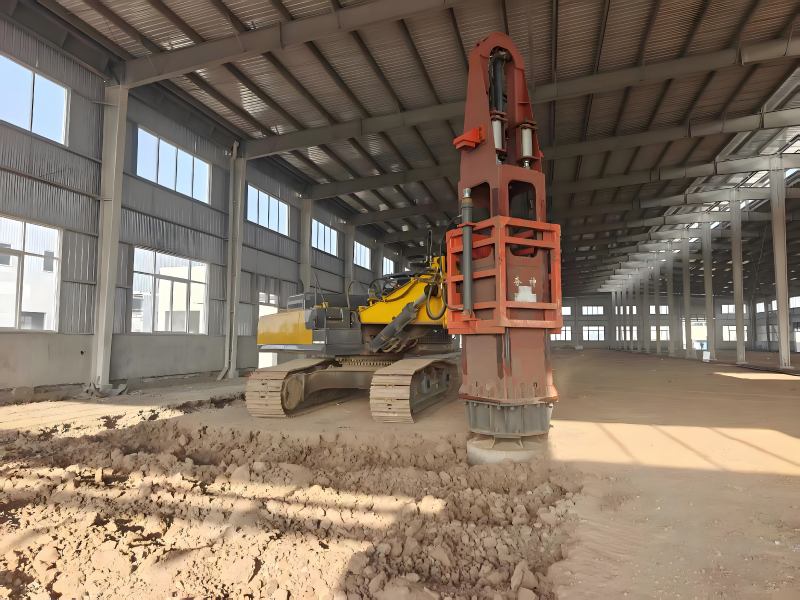
Rapid Impact Compaction for Foundation Compaction Project project Foundation Compaction Project

Factory Foundation Improvement

Shandong, China HC240

HC240 16-ton Dropweight: On-site Rapid Impact Compaction (RIC) Construction for Factory Foundation Improvement.

10,000 m² Treatment Area
220 kPa Bearing Capacity
45 Days Completion Time
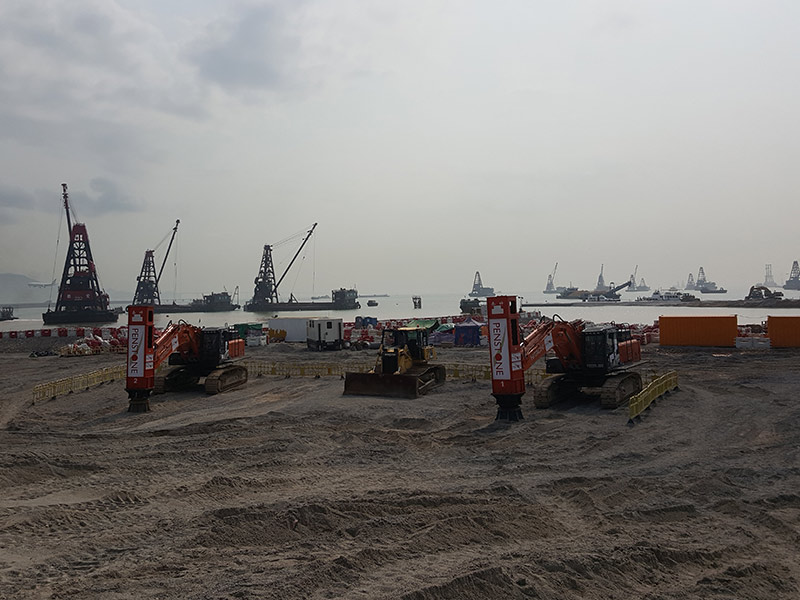
Rapid Impact Compaction for airport runway ground improvement project Airport Project

HC180 Rapid Impact Compaction (RIC) for Airport Runway and Apron Subgrade Improvement

The results jointly verified by the Airport Authority Hong Kong (client) and an independent third-party testing agency indicate that: * The HC84 Rapid Impact Compaction (RIC) system achieves an effective treatment depth of over 5 meters * It has minimal impact on adjacent structures * It complies with the noise control requirements of the Hong Kong Environmental Protection Department.

650,000 m² Treatment Area
4–8 m Compaction Depth
3 Years Completion Time

Not Sure Which Model Fits Your Project?

Tell us your soil type, required compaction depth and available excavator tonnage — our engineers will recommend the most cost-effective solution within 24 hours.

Free Technical Consultation Reply within 24 Hours ISO 9001 Certified